Map the building functions that should interact and identify their existing control platforms. Define operator goals and ownership before proposing automation so the integration addresses a practical facility workflow.
DeliverableIntegration brief and system inventory.
Plan supported controllers, network connections and interfaces around approved building functions. Document system boundaries and failure behaviour so the design remains understandable when a component is unavailable.
DeliverableArchitecture diagrams and interface register.
Connect approved lighting controls to the supported automation environment. Coordinate electrical work and lighting design with qualified parties while validating the intended scenes and user controls.
DeliverableLighting interface map and scene tests.
Integrate supported shade controllers with the agreed room or building controls. Confirm power, wiring and mechanical responsibilities before testing position, grouping and scheduled operation.
DeliverableShade control schedule and functional checks.
Coordinate supported communication between the automation platform and the mechanical controls provider. Preserve plant safety and specialist control responsibilities; test only the agreed supervisory functions.
DeliverableHVAC interface scope and coordination record.
Create approved combinations of lighting, shades and AV actions for common room uses. Keep manual control available where designed and test transitions with the actual connected equipment.
DeliverableScene schedule and user acceptance results.
Configure supported touch interfaces around the facility's operating tasks. Group controls clearly and validate permissions and navigation with the people who will use the system daily.
DeliverableControl interface and operator walkthrough.
Connect supported occupancy inputs to approved lighting or room functions. Review sensor placement and timeout behaviour, testing representative use without assuming detection is suitable for every purpose.
DeliverableSensor map and automation test results.
Install approved gateways between compatible building or technology platforms. Document protocol support, data points and ownership so the gateway's role is clear to both technical teams.
DeliverableGateway configuration and point schedule.
Coordinate approved BACnet data exchange with the responsible building-controls provider. Agree objects, access and update behaviour before testing, keeping specialist plant programming outside the integration scope.
DeliverableBACnet point mapping and interface tests.
Connect supported Modbus data points where the equipment and project design permit. Verify register definitions, scaling and read/write permissions with the equipment provider before using the values in workflows.
DeliverableRegister map and validation evidence.
Present available meter or equipment data through the approved platform. Document data sources and interpretation limits rather than promising savings or treating an unverified display as certified metering.
DeliverableDashboard configuration and data-source register.
Connect approved temperature, humidity or other supported sensors to the automation platform. Confirm placement, calibration responsibility and alert ownership so readings are used appropriately.
DeliverableSensor inventory and point verification.
Program agreed actions around facility operating schedules and exception dates. Test override and recovery behaviour so a schedule change does not leave operators unable to control the building.
DeliverableAutomation schedule and exception tests.
Integrate supported access or intrusion events with approved building functions. Define permitted actions and confirm system ownership without introducing unsupported life-safety behaviour.
DeliverableEvent-action matrix and integration evidence.
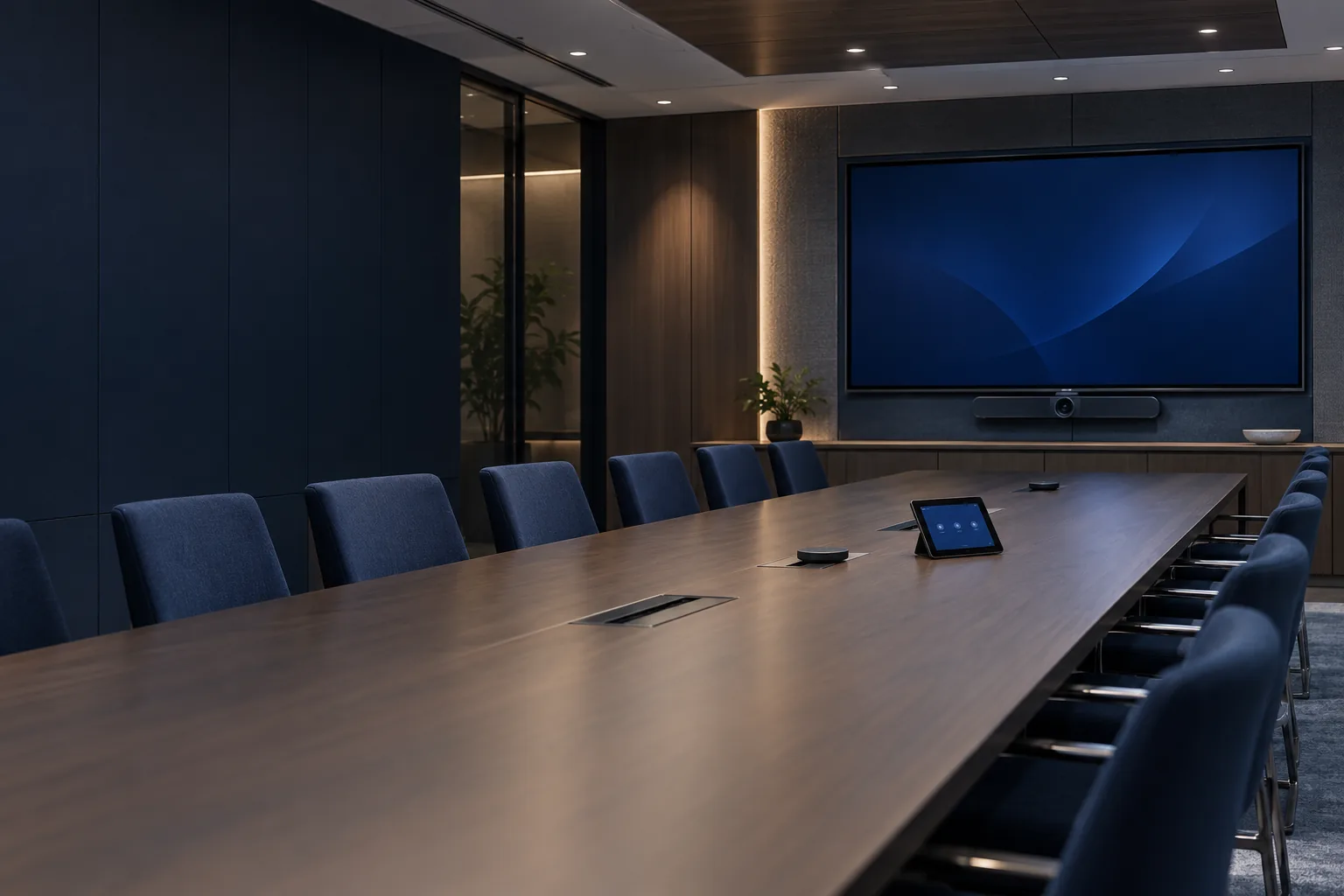
Connect supported meeting-room AV with room automation for coordinated user actions. Test common sessions and document what remains manually controlled when a platform or network is unavailable.
DeliverableRoom integration plan and scenario tests.
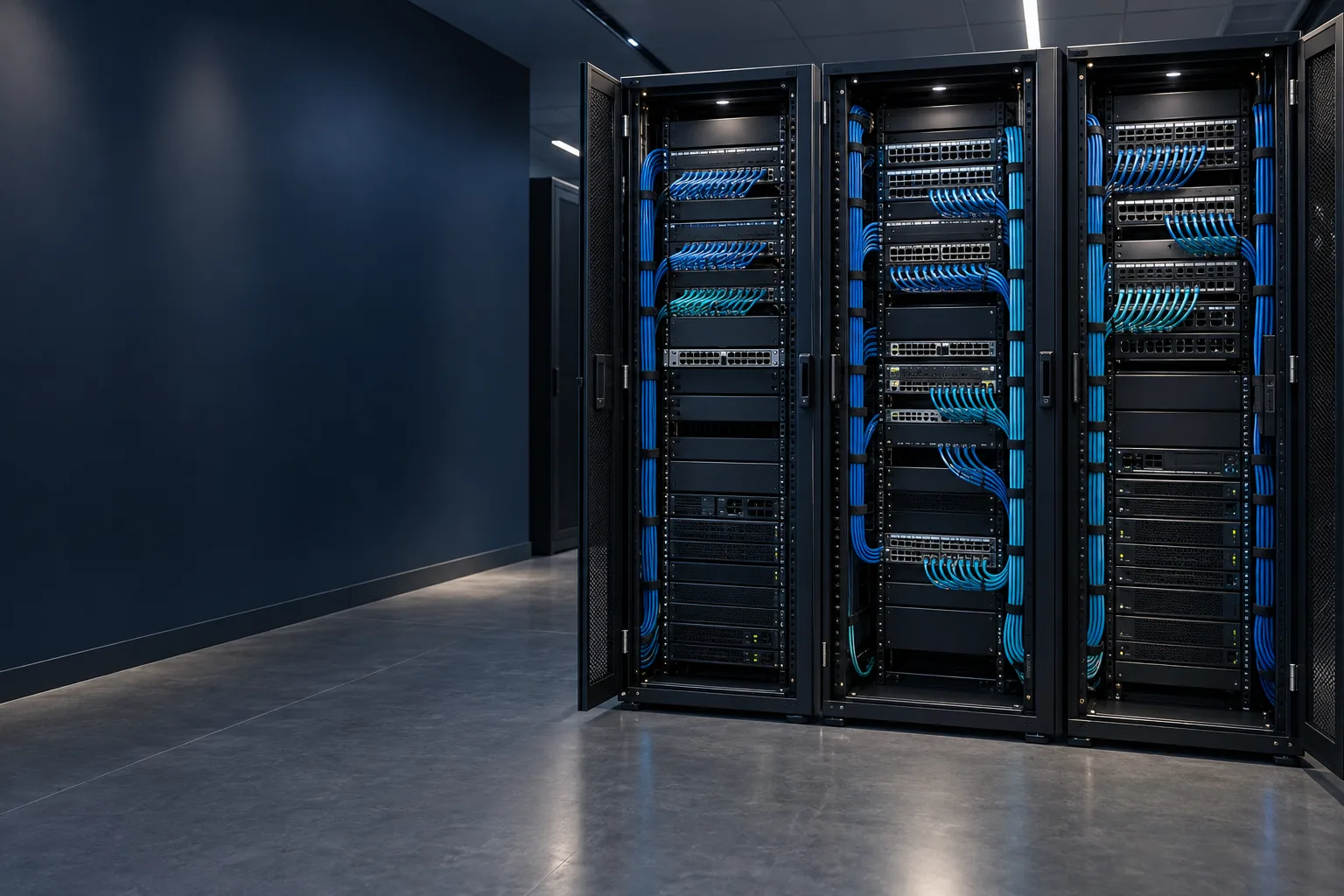
Define connectivity, addressing and equipment-space requirements for automation devices. Coordinate with the network team so building technology is documented and support responsibilities remain clear.
DeliverableDevice network schedule and connectivity checks.
Move approved automation functions to a supported replacement platform. Map existing behaviour and pilot representative functions before changing a wider occupied facility.
DeliverableMigration sequence and function reconciliation.
Investigate failed or inconsistent interactions across controllers, networks and connected systems. Use event evidence and responsible-provider input to distinguish integration faults from equipment or mechanical issues.
DeliverableDiagnostic report and corrective actions.
Document installed interfaces, scenes and operating procedures for nominated users. Explain support boundaries and approved override methods so facility teams can manage routine operation confidently.
DeliverableAs-built control documents and training record.